Oakleigh Park removals on Holders Hill narrow access guide
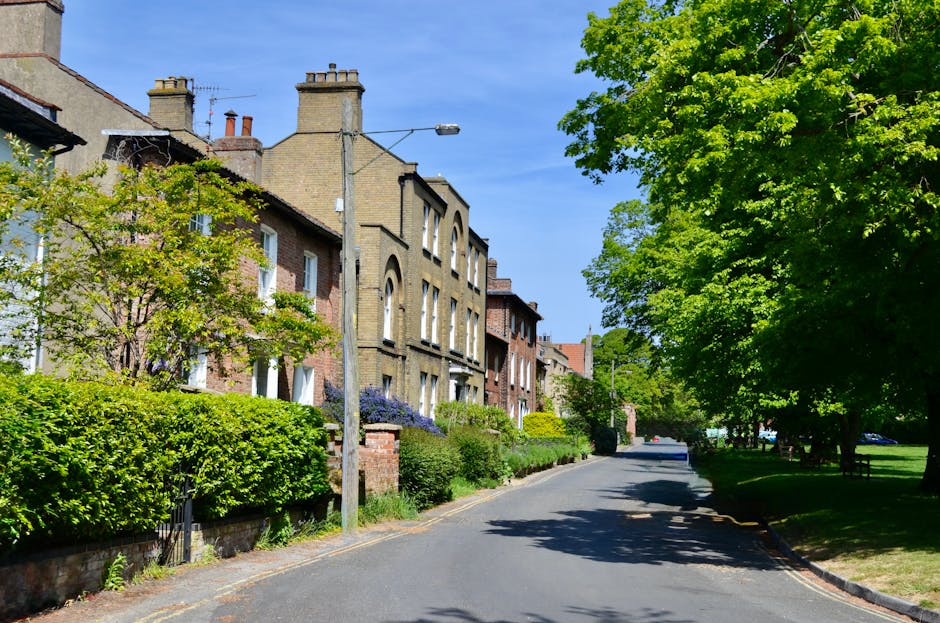
If you are planning a move in Oakleigh Park and the property sits on or near Holders Hill, narrow access changes everything. A straightforward house move can suddenly feel like a small logistics puzzle: tight turning space, parked cars, steps at the front door, awkward driveway angles, and the very real question of whether the van can stop safely without causing a nuisance. This Oakleigh Park removals on Holders Hill narrow access guide is here to make that easier. It breaks down what matters, how a move is typically handled, where people go wrong, and what you can do to keep the day calm rather than chaotic.
We will cover planning, vehicle choice, access checks, packing strategy, and the practical details that often get overlooked until the morning of the move. If you want a move that feels organised instead of improvised, you are in the right place.
Why Oakleigh Park removals on Holders Hill narrow access guide Matters
Narrow access is not just an inconvenience. It affects almost every part of the move: where the van can stop, how far items need to be carried, how long loading takes, and whether larger furniture can move out in one piece. On Holders Hill, that matters because a small mistake can ripple through the whole day. A van parked too far away adds carrying distance. A van that is too large may struggle to turn. A rushed plan can create delays, extra labour, or avoidable damage.
For Oakleigh Park home movers, the issue is often less about the property itself and more about the approach. Is the road wide enough for a removal van? Are there cars blocking one side? Can the front path take a wardrobe or sofa without scraping walls or railings? These are basic questions, but they decide whether a move feels controlled or messy.
There is also a trust angle. When a removal team understands narrow access in advance, they can plan the right vehicle, number of movers, parking approach, and timing. That is the difference between a move that seems cheap on paper and one that actually works in real life. Truth be told, access planning is one of the easiest ways to save stress, and one of the most overlooked.
How Oakleigh Park removals on Holders Hill narrow access guide Works
The process is usually simple once you strip away the noise. Start by describing the property access honestly. Not "pretty tight", but what it really is like: is the road narrow, is there on-street parking only, are there low trees, kerbs, bollards, a bend, or a long carry from the van to the door? That information helps shape the move before anyone arrives.
A practical narrow-access move usually involves a smaller or medium-sized van, careful route planning, and loading the van in a sensible order. Heavy items go in first, fragile boxes are secured later, and awkward furniture is assessed before lifting. In some cases, a team may use a man with van service for flexibility, especially when a full-size truck would be overkill. In other situations, a larger team or a dedicated removal services approach may be better if there is a lot to move and access is still manageable with planning.
If the property has a long or awkward carry, the move may also benefit from extra packing support. Careful wrapping, strong boxes, and clear labelling reduce the number of trips and reduce panic. Simple. Not glamorous, but effective.
The key point is that narrow access is not a reason to panic. It is a reason to plan. A mover who understands this will usually ask better questions at the quote stage and give a more realistic schedule. That is what you want.
Key Benefits and Practical Advantages
When narrow access is planned properly, the benefits show up in very ordinary ways that matter a lot on moving day.
- Less lifting distance: If the van can stop close enough, your furniture and boxes spend less time being carried through tight spaces.
- Lower damage risk: Fewer awkward turns through hallways, gates, and steps means fewer scuffs on walls and fewer knocks to items.
- Better timing: A realistic access plan keeps the schedule on track, which is especially useful if you have a completion deadline or key handover.
- Safer handling: Movers can work with proper posture and teamwork instead of forcing heavy pieces through an impossible angle.
- Clearer pricing: When access is described accurately, estimates are usually more accurate too, which helps avoid unpleasant surprises.
There is another quiet benefit: calm. People underestimate this. When the van arrives and everyone already knows where it can stop, what path to use, and which items need extra care, the whole move feels less like a scramble. You will notice the difference by mid-morning.
For many customers, the right service is not about the biggest vehicle. It is about the right fit. That is why options like man and van can be sensible for smaller or more access-sensitive jobs, while larger projects may call for a more structured moving team. The aim is not to be impressive. It is to be efficient.
Who This Is For and When It Makes Sense
This guide is especially useful if any of the following sound familiar:
- You live on or near Holders Hill and the road access is tight.
- Your property has limited frontage, a narrow driveway, or awkward parking.
- You are moving a flat, maisonette, townhouse, or family home with restricted turning space.
- You are worried about large furniture, such as wardrobes, beds, dining tables, or sofas.
- You need to plan around neighbours, parked cars, timed access, or building restrictions.
- You want a clearer idea of whether to book a van, a removal team, or packing support.
It also makes sense for landlords, letting agents, and people organising a last-minute move. If you have ever stood in the street looking at a van and thinking, "Right... this is going to be interesting," then this section is for you. Let's face it, narrow access tends to reveal itself at the worst possible moment unless someone has asked the right questions early.
Commercial customers can benefit too, particularly if they are shifting stock, office furniture, or equipment from an address where access is limited. A smaller footprint and careful load plan can be more important than raw carrying capacity. If that sounds like your situation, a page on commercial moves may also be useful for comparing the right setup for the job.
Step-by-Step Guidance
Here is a practical way to approach a narrow-access removal in Oakleigh Park without overcomplicating it.
- Measure and observe the access. Look at the width of the road, driveway, gate, path, and any corners. Notice bins, hanging branches, low walls, and parked cars.
- Make a realistic inventory. List the bulky items first. Those usually decide the van size and whether any dismantling is needed.
- Share the awkward details early. If there are stairs, steep steps, a long carry, or restricted parking, say so. Do not tidy it up too much in the description.
- Choose the right moving setup. For lighter or smaller moves, a flexible vehicle may be best. For bigger homes, a team with broader removal experience can save time.
- Pack for faster handling. Use sturdy boxes, label rooms clearly, and keep loose items together so they can be moved in fewer trips.
- Prepare the property. Clear corridors, protect floors where needed, and keep entry points free. A two-minute tidy can save twenty minutes later.
- Plan the parking and loading point. Decide where the van will stop and what route movers will use to carry items safely.
- Do a final walk-through. Check lofts, cupboards, sheds, and behind doors. The last pair of gloves is always found after the van is half-full. Always.
One important detail: if access is especially tight, it can help to split the move into phases. For example, boxes and soft items first, large furniture second, and any fragile pieces last. That kind of sequencing sounds minor, but it saves a lot of shuffling.
If you are comparing services, it is sensible to look at the broader range of removals available before you lock in a plan. The right choice depends on the property, volume, and access rather than just the headline price.
Expert Tips for Better Results
After enough moves, a few patterns become obvious. The jobs that run smoothly usually share the same habits.
- Be specific about access, not vague. Say "single-track road with parking on one side" rather than "a bit tight".
- Dismantle furniture before the move day if possible. Large flat-pack pieces often move more safely in parts.
- Use room labels that actually help. "Kitchen - plates" is better than just "misc".
- Keep essentials separate. Kettle, phone charger, documents, medication, and a change of clothes should not vanish into the van.
- Leave a little breathing room. Tight access plus bad timing is where stress grows. An extra 15 minutes can matter more than you think.
Here is a small practical one: if you can, take photos of the access from the street to the front door before move day. That helps everyone visualise the job, especially if the property has a weird corner, a narrow staircase, or a shared entrance that does not look tricky at first glance. A photo can explain more than a paragraph ever will.
For a straightforward residential move, you might also explore house removals or compare a broader home moves service if you need packing, lifting, and transport handled together. The right mix often depends on how much of the job you want to do yourself.
Common Mistakes to Avoid
Narrow-access moves tend to go wrong for very ordinary reasons. Nothing dramatic. Just small misses that stack up.
- Understating the access problem. If you say the road is fine when it is actually awkward, the mover cannot plan properly.
- Booking the wrong vehicle size. Too large and the van may struggle; too small and you create extra trips.
- Leaving bulky items assembled. That beautiful wardrobe may look innocent, but it can become the main problem very quickly.
- Ignoring parking restrictions. Even a perfect load plan falls apart if the van cannot legally or safely stop nearby.
- Not clearing the route inside the property. Shoes, rugs, plants, and random storage boxes all slow things down.
- Forgetting building or neighbour considerations. Shared hallways and tight streets need a bit of courtesy, especially early in the day.
One more thing: avoid the temptation to "just see how it goes". That sounds flexible, but in narrow-access removals it often means improvising under pressure. Not ideal. A bit of structure beats heroics every time.
Tools, Resources and Recommendations
You do not need specialist gear to prepare for a narrow access move, but a few simple items make life much easier.
- Measure tape: Useful for checking furniture widths, door gaps, and corridor pinch points.
- Marker pens and labels: Makes unloading faster and helps keep boxes in the right rooms.
- Furniture blankets and covers: Good for protecting polished wood, corners, and painted surfaces.
- Strong tape and stretch wrap: Helpful for securing drawers, doors, and loose cables.
- Phone camera: Simple, but brilliant for documenting access and planning the load order.
If you are packing from scratch, professional help from packing and unpacking services can reduce the pressure a lot. In our experience, this is particularly valuable when the access is narrow because properly packed boxes are faster to carry and easier to stack.
It can also be worth checking practical service details like pricing and quotes, especially if you want to compare a few different options. Transparent pricing matters more when access is awkward, because the quote should reflect the real workload rather than a guess.
Law, Compliance, Standards, or Best Practice
For removals in London, the sensible approach is to follow ordinary road safety, parking, and manual handling best practice. You do not need to become a transport expert to have a safe move, but a few basics matter.
Movers should work in line with normal UK health and safety expectations, including careful lifting, sensible load limits, and clear communication between team members. If a van needs to stop on the road, it should do so in a way that is safe, legal, and considerate to other road users and residents. Where access is tight, the safest solution is often the one that gives the crew enough space to work without rushing.
If you are comparing providers, it is reasonable to ask about insurance, handling procedures, and whether the company has a published safety approach. Pages such as insurance and safety and health and safety policy are useful trust signals because they show the business takes risk seriously rather than treating it as an afterthought.
Best practice also includes clear terms, fair communication, and respect for customers' property. If a mover explains limits honestly, that is a good sign. A company that promises the moon and says yes to everything... well, that is sometimes the one to be cautious about.
Options, Methods, or Comparison Table
Choosing the right moving method is often easier once you compare the practical trade-offs. Here is a simple way to think about it.
| Option | Best for | Strengths | Watch out for |
|---|---|---|---|
| Man and van | Smaller moves, quick access-sensitive jobs, limited furniture | Flexible, often easier to manoeuvre, efficient for lighter loads | May not suit very large households or multiple heavy items |
| Full removals team | Family homes, bigger inventories, move days with many boxes | More hands, better for larger loads, often faster loading | Needs accurate access details so the team can plan properly |
| Packing plus transport | Busy households, fragile items, time-pressured moves | Less stress, fewer packing errors, better protection for delicate goods | Costs more than self-packing, but can save time and hassle |
| Furniture-only collection | Single-item or low-volume moves | Simple and quick for awkward pieces or surplus items | Not ideal if you are moving an entire property |
For a lot of people in Oakleigh Park, the sweet spot is somewhere between a flexible van service and a full household removal. If you are unsure, it is often better to discuss the access in plain language and let the mover guide you toward the most suitable setup. This is where a good removal company can be worth the call, even before you choose a date.
Case Study or Real-World Example
Picture a typical Saturday move near Holders Hill. The property is a two-bedroom house with limited front access, cars parked opposite, and a narrow path leading to the entrance. Nothing impossible, but definitely not roomy. The customer has a sofa, a bed frame, a dining table, a few heavy boxes of books, and several fragile kitchen boxes that need care.
The difference between a smooth move and a stressful one comes down to planning. The mover asks for photos the day before, checks the street layout, and decides not to bring a larger vehicle that would waste time trying to angle in. Two movers handle the loading while the customer keeps the hallway clear and the smaller boxes grouped by room. The sofa is protected, the table is dismantled, and the heavy books are not stacked too high. There is a bit of back-and-forth, sure, but no chaos.
By midday, the van is loaded, the access route is clear, and the move-out property is left tidy. Was it a dramatic story? Not at all. That is the point. Good removals usually look boring from the outside. Quiet, organised, slightly sweaty, and very satisfying.
For customers with a very similar setup, man with van removal can be a practical fit when space is tight but the inventory is manageable. If the move is broader and includes more rooms, a fuller household service may be the better option.
Practical Checklist
Use this checklist a few days before your move. It is not fancy, but it works.
- Confirm the exact access to the property, including road width and parking constraints.
- Take photos of the front of the house, driveway, gate, and hallway if useful.
- Measure large furniture and check whether it needs dismantling.
- Label boxes by room and note any fragile items clearly.
- Reserve or plan parking where appropriate.
- Clear corridors, stairs, and entrance paths.
- Keep essential documents and valuables separate.
- Check whether packing help would save time on the day.
- Review the mover's terms, insurance, and payment details.
- Leave a buffer in the schedule. A little one. It helps more than people expect.
If you are moving from a larger property or need a more structured day plan, it may be worth looking at house movers or a broader removal company service. The right choice depends on the size of the job and how awkward the access really is.
Conclusion
Narrow access on Holders Hill does not have to make your Oakleigh Park move difficult. It just means the move needs better planning, clearer communication, and a service setup that matches the property rather than fighting it. If you get the access details right early, choose the right vehicle or team, and prepare the home properly, the rest tends to fall into place.
That is the heart of this guide: avoid guesswork, reduce carrying distance, and keep the job safe and realistic. A good move is rarely about speed alone. It is about the quiet confidence that everyone knows what happens next.
Get a free quote today and see how much you can save.
And if you are still weighing up options, take your time. A move done well is a relief you feel for the rest of the day, maybe even longer.
Frequently Asked Questions
What is the biggest challenge with Oakleigh Park removals on Holders Hill narrow access?
The biggest challenge is usually vehicle positioning. If the van cannot stop close enough, everything takes longer and becomes harder to carry safely.
Should I choose a van or a full removal truck for narrow access?
It depends on the volume of items and the street layout. For smaller moves, a van can be more practical. For larger households, a removal team may still be the better choice if the access is planned properly.
How do I know if my furniture will fit through a narrow hallway?
Measure the widest points of the furniture and compare them with the tightest doorways, bends, and stair turns. Photos help too, especially for awkward items like sofas and wardrobes.
Do I need packing help for a narrow-access move?
Not always, but it can help. Well-packed boxes are easier to carry, easier to stack, and less likely to cause delays when space is tight.
What should I tell the remover before they quote?
Be honest about road width, parking, stairs, long carries, heavy furniture, and any access restrictions. The more accurate the details, the more useful the quote will be.
Is narrow access more expensive?
It can be, because it often takes more time and care. That said, a realistic setup can still be very good value compared with trying to force the wrong vehicle into the wrong space.
Can a man and van service handle a tight street in Oakleigh Park?
Yes, often it can. Smaller or more flexible vehicles are frequently a good fit for difficult access, especially for smaller loads or single-property moves.
What can I do to make loading faster on the day?
Clear the route, label boxes, dismantle furniture where possible, and keep essentials separate. A tidy loading path saves a surprising amount of time.
Should I worry about parking restrictions near Holders Hill?
Yes, you should always factor parking into the plan. Even if the move itself is straightforward, poor parking can cause delays and make the access problem worse.
What if the access is worse than I described?
Tell the mover immediately. A good team will adapt the plan if possible. It is far better to flag a problem early than to try to hide it and hope for the best.
Are there signs that a removal company understands narrow access well?
Yes. They will ask detailed questions, discuss vehicle choice, mention carrying distance, and explain how they handle tight spaces. That kind of conversation is a very good sign.
Where can I learn more about your service standards and business policies?
Useful pages include about us, terms and conditions, privacy policy, and recycling and sustainability. They help you understand how the business works and what to expect.