Man with van in Oakleigh Park

Our man with van in Oakleigh Park service is set up for straightforward moves where a smaller, more flexible vehicle and careful loading make sense. It is suitable for single-item transport, part-load moves, student belongings, flat contents, and light home removals that do not need a full lorry. The focus is on practical handling, tidy planning and a service that can be shaped around the size of the job rather than forcing the job into a fixed format.
We can help with moving boxes, furniture, white goods and mixed household items, along with the sort of awkward pieces that need a bit more attention at doorways, stairs or parking points. The service is built around safe carrying, sensible packing order and clear communication, so the move is easier to manage from the first enquiry through to unloading. If you are comparing options, it is worth looking at the scope of the job before deciding whether a van-based move is the right fit.
For customers who want to understand the wider service range first, our removal services page gives a broader picture of the kinds of moves we handle, while this page keeps the emphasis on the man and van option itself. If you are planning a smaller household move or need help shifting a few bulky items, you can take a few notes on what needs moving and then ask for a quotation when you are ready.
Practical van-based moving for homes and flats
The main advantage of a man with van style move is flexibility. A smaller move does not always need a large crew or a full-scale removal vehicle, especially when access is tight, the load is modest, or the job is spread across a short list of items. Our service suits one-room moves, partial clearances, furniture transfers, and transport between properties where the customer wants a manageable service rather than an oversized operation. The aim is to keep the work efficient without making it feel rushed.
We can also support moves that involve mixed contents, such as boxed possessions, dismantled furniture and everyday household items that need sensible stacking inside the vehicle. Where items are heavy or awkward, loading order matters as much as lifting technique. That is why we pay attention to item shape, fragility and placement, so the load stays stable in transit. It is a good fit for customers who want a straightforward moving plan without unnecessary complication.
Our wider home-moving pages may help if you are comparing different kinds of move: home moves is useful for domestic relocation planning, while house removals covers a broader household removal scope. For lighter or more compact moves, the man with van option often provides the most sensible balance of cost, capacity and convenience. If that sounds close to what you need, start gathering the main item list and then request a quote in plain terms.
What can be moved with a man and van

The service can cover a wide mix of household and personal items. Many customers use it for beds, wardrobes, sofas, tables, chairs, boxed belongings, kitchen items and storage contents. It also works well for a few larger items that are difficult to move in a regular car. Because every job is different, the important thing is not just volume but how the load is made up, how it needs to be protected and whether anything will need careful handling at the point of collection or delivery.
Some items are simple to carry but awkward to fit; others are compact but need added care because of finish, weight or shape. We therefore treat loading as part of the service, not an afterthought. That can include using a sensible sequence for loading, keeping delicate items apart from dense furniture and making sure the van space is used effectively. In practice, a well-planned move is often easier than a larger but less organised one.
If you need a clearer sense of related vehicle-based options, the pages for moving van and moving truck help distinguish between smaller and larger transport styles. For customers who only need a compact move or a partial load carried carefully, the man with van approach is usually the more direct choice. Tell us what is going and what needs extra handling, and we can respond with a practical quotation.
How the service is organised
Van-based removals work best when the move is clear, measured and suited to the load. A customer may be moving from a flat, relocating a few rooms’ worth of furniture, or shifting items into storage. We can tailor the job around the amount of carrying involved and the time needed for loading and unloading. The service is especially helpful where speed and flexibility matter more than a large removal setup, but it still needs careful preparation and realistic planning.
To make a quote useful, it helps to describe the main items, any access details and whether anything needs dismantling or reassembly. A short inventory is usually more valuable than a long explanation, because it lets the move be priced on the actual work involved. Photographs can also help when an item is unusually bulky or fragile. That information supports a more accurate plan without making the process feel complicated.
For customers who want additional preparation support, our packing and unpacking services page explains a related part of the move, while furniture pick-up is relevant when the job is limited to collection and delivery. If you are not sure whether your move is best treated as a full household job or a smaller transport task, send the main details and ask for a quotation. A clear description saves time for everyone.
Man with van options for businesses and mixed loads
Although many enquiries are domestic, a man with van service can also work well for small business transport, office items and mixed light-commercial loads. That may include boxes of files, desks, office chairs, display items, stock transfers or equipment that needs to be moved without the scale of a full commercial removal. The value lies in combining transport and handling in one practical visit, especially where the quantity is modest but the items still need to be protected.
Some commercial moves are simple from a transport point of view but still need care with access, timing and item handling. For example, equipment may need to stay upright, small parts may need to travel with the main furniture, and a business may want its items transferred in a way that keeps them sorted on arrival. We can help with that kind of work, provided the details are clear enough to assess the load. The same applies to mixed household-and-work content when it is easier to treat the job as one coordinated move.
If you are comparing commercial pages, commercial moves gives a broader view of business relocation work, while office removals is useful for a more office-specific move. For a smaller transport job, the man and van option can be a neat middle ground. You can keep the first enquiry simple, then ask for a quotation once the size and access are properly understood.
Planning the move and preparing your enquiry

Good planning does not need to be complicated. The most useful starting point is usually a short list of what has to go, what is fragile, what is especially heavy and whether any items need to be taken apart before loading. If the move includes stairs, narrow corridors, restricted parking or a building with shared access, those details should be mentioned early. That helps us understand the practical shape of the job rather than relying on guesswork.
It also helps to know whether the collection and delivery points are straightforward or whether the move will involve waiting, key handover, or several stops. A well-described job is easier to plan, and that generally produces a more useful quotation. Where necessary, a picture or two can clarify the size of bulky furniture, but you do not need to over-explain. The goal is enough information to judge the work accurately without turning the enquiry into paperwork.
Useful related pages include man and van for a simpler service overview, and removals if you want to compare this with broader moving options. When you are ready, a concise note of the items and the addresses involved is enough to begin. If you want a quotation, send the details in one go and we will take it from there.
What affects the quotation
The quotation for a man with van move is usually shaped by several practical factors rather than one single number. The amount of furniture, the total number of boxes, the need for lifting assistance and the complexity of access all affect the work involved. A job with simple ground-floor access is very different from one that requires repeated carrying up stairs or across long internal routes. Clear information about these points helps produce a quote that matches the actual move.
Travel distance matters as well, but it is only one part of the picture. Time spent loading, unloading and dealing with difficult access can be just as important as miles covered. If items need dismantling, wrapping or special handling, that should be made clear because it changes how the move is organised. We do not build unsupported promises into the price discussion; instead, we look at the real work and shape the service accordingly.
For anyone comparing price-related pages, pricing and quotes explains the quotation approach in more detail, while removal companies may help if you are weighing this against other providers. If you want to keep things simple, send a brief summary of the load and ask for a quotation. That is usually the quickest route to a sensible answer.
Household moves, single items and short-distance transport
A man with van service is often the right choice for customers who do not need a full house move but still want more help than a self-drive vehicle can provide. That includes single-item transport, room moves, student moves, storage runs and short-distance removals where the load is modest but still needs to be handled properly. It can also suit situations where a customer is moving gradually and wants one part of the household transferred before the rest.
Because the service is flexible, it can be adapted to different load shapes. A sofa and a few boxes need a different approach from a set of flat-pack items or a collection of mixed household goods. We can organise the loading so that heavier pieces are placed securely and smaller items are not crushed or lost in the shuffle. The objective is simple: keep the move orderly, keep the items protected and make delivery easier to manage.
Where a broader domestic move is needed, house movers is a useful related page, and house removalists covers a similar area of home moving support. If your situation is smaller and more direct, the van-based option may be enough on its own. Use the service that fits the load, and request a quotation once the items have been listed clearly.
About Oakleigh Park
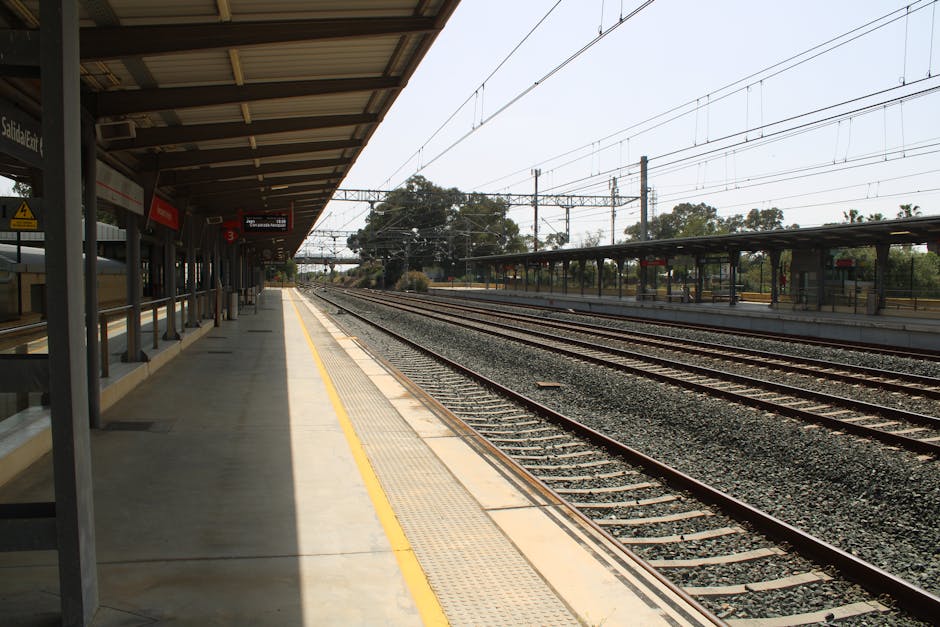
Oakleigh Park is a residential area in the London Borough of Barnet, in north London, shaped by late nineteenth and twentieth-century suburban development around its railway station. The station sits on the Hertford Loop Line and links the neighbourhood to central London and Hertfordshire, which has long made the area practical for commuters. Much of Oakleigh Park is known for its tree-lined streets, detached and semi-detached houses, and the quieter suburban layout that distinguishes it from denser nearby districts. The area sits close to larger open spaces and established local centres, so everyday life combines residential calm with convenient access to shops and transport. East Barnet and Whetstone are nearby, while the broader borough includes a wide mix of housing styles, parks and civic facilities. Local landmarks and green spaces within reach include Oak Hill Park and the open edges of Totteridge and Whetstone, both of which contribute to the area’s leafy character. The station itself remains an important reference point, and the surrounding streets reflect the gradual growth of outer London suburbs over time rather than a single planned town centre. That mix of railway connection, domestic architecture and nearby open land gives Oakleigh Park a recognisable identity within Barnet, with a settled residential feel and straightforward access across north London.
Careful handling, access and unloading

The quality of a man with van move often comes down to the final part of the job: how items are handled once the route is clear and the van is ready to unload. Doors, stair turns, narrow halls and awkward corners can all affect how safely a piece of furniture travels from vehicle to room. We keep the focus on sensible handling, steady movement and a loading pattern that avoids unnecessary strain on the items. That is especially important for finishes that can scratch easily or pieces that cannot be tilted freely.
Access is one of the most practical parts of any removal. A lift, a loading bay, a shared entrance or a steep set of steps can change the pace of the job, even when the item list is small. By knowing the layout in advance, we can approach the move in a way that suits the property rather than forcing a one-size-fits-all method. This is where van-based removals are particularly useful: they allow the job to be shaped around the route as well as the load.
If you want to compare broader support around moving and transport, removal van and man with van removal are both relevant pages. They help show how the service can sit within a wider removal plan without overcomplicating a smaller move. For a straightforward quotation, keep the access details and item list together when you make contact.
Related removal options and service pages
Some customers begin with a man with van enquiry and then decide they need a broader move. Others know from the start that the job is more substantial and are simply comparing the available formats. That is why it helps to view related pages alongside the main service. movers gives a general service overview, while removal company is useful for understanding the wider business context. These pages can help you choose the right level of support before the move is arranged.
There are also pages for different transport and removal terms, including removals near me, removals van and man with van removals. They are relevant if you are trying to decide which type of move best suits the load, the access and the distance involved. The aim is to make the service description clear enough that you can compare options without having to translate jargon or guess at the practical differences between them.
If you are ready to go ahead, the next step is simple: give us the item list, the collection and delivery details, and any access notes that matter. Then you can ask for a quotation and use it to decide whether the van-based option fits your move. Our final recommendation is straightforward: describe the job plainly and let the service be matched to the work.