Oakleigh Park Estate Moves: Navigating Tight Lanes
Posted on 22/05/2026
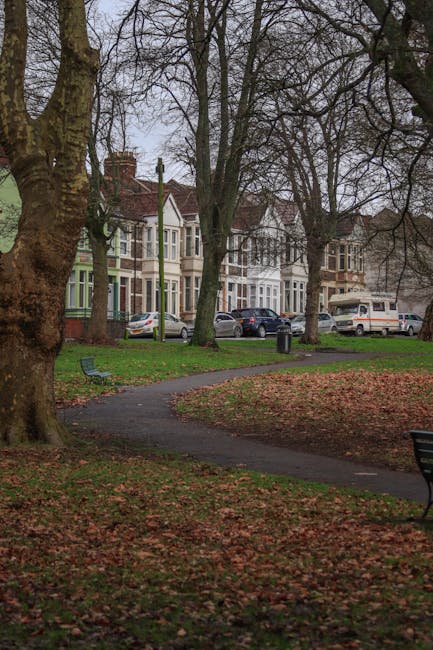
Moving on Oakleigh Park estates can feel straightforward right up until the van arrives and you realise the lane is narrower than you expected, the parking is awkward, and there's a hedge, a wall, and someone's recycling bins all competing for space. That's the reality for many local moves. Oakleigh Park Estate Moves: Navigating Tight Lanes is really about planning a removal around access limits so the day stays calm, safe, and efficient.
Whether you're moving out of a flat, a family home, or a small office, the same rules tend to apply: measure properly, reduce what you're taking, protect the items that matter, and make sure the vehicle and crew can actually work in the space available. A good move here is rarely about brute force. It's about timing, route planning, and a few smart decisions made early. Truth be told, that's what saves the most stress.
In this guide, you'll learn how tight-lane estate moves work, what can go wrong, which services make sense, and how to prepare without turning the week into a chaos spiral. You'll also find a practical checklist, a comparison table, and answers to the questions people usually ask when the road gets a bit too narrow for comfort.
Why Oakleigh Park Estate Moves: Navigating Tight Lanes Matters
Estate moves in Oakleigh Park often involve narrow access roads, parked cars, bends that seem harmless until a van tries to turn them, and limited loading space near entrances. That matters because removals are time-sensitive. If the vehicle can't get close enough, every box has to be carried further. If access is blocked, the schedule slips. If the load is awkward, the risk of damage climbs fast.
This is especially true on residential estates where traffic is slow, parking is shared, and one badly placed car can throw the whole process off. A removal team needs room to open ramps, manoeuvre furniture, and move safely without blocking neighbours or creating hazards. In our experience, the difference between a smooth day and a fraught one is often just 20 or 30 minutes of access planning before the first item comes out of the door.
There's also a people factor. Tight lanes can make a move feel more stressful for residents, neighbours, and crews alike. Sound travels, frustration builds, and the day can become a bit of a domino effect if communication isn't clear. So yes, the topic matters because it protects your time, your belongings, and your peace of mind.
House removals in Oakleigh Park become much easier when the route, access point, and vehicle size are matched to the property before moving day.
How Oakleigh Park Estate Moves: Navigating Tight Lanes Works
The basic approach is simple enough, though the details matter. First, the move is assessed for access. That means checking the width of the lane, the turning room, nearby parking restrictions, and whether the van can stop close to the entrance without causing an obstruction. Then the loading plan is built around those limits.
A typical tight-lane move usually follows this pattern:
- Confirm the exact address and identify any access pinch points.
- Check whether the vehicle can approach the property safely.
- Decide whether a smaller removal van in Oakleigh Park or a more compact loading setup is the better fit.
- Prepare items in the right order so the heaviest or most awkward belongings come out first.
- Use door protection, floor covering, and careful handling at the narrowest points.
- Move steadily, not hurriedly. Fast is good; rushed is not.
In practical terms, this is about reducing friction. A move through a tight lane works best when the crew knows where the bottleneck is before it happens. Sometimes that means one person spots the route while another handles loading. Sometimes it means setting up a temporary hand-carry line from the door to the van. Small thing, big difference.
People often underestimate the importance of timing too. Early mornings can be quieter, with fewer parked cars and less foot traffic. Midday can be trickier on estates where residents are in and out, school runs are happening, or deliveries start appearing. A good plan takes that into account instead of pretending the street will behave itself.
Key Benefits and Practical Advantages
Why go to the trouble of planning for tight lanes instead of just "turning up and seeing how it goes"? Because proper planning pays off in several ways.
- Less risk of damage: Tight turns, low branches, walls, and narrow gates can all catch furniture or the van itself if access is not checked carefully.
- Faster loading and unloading: If the vehicle is correctly positioned, there's less carrying distance and fewer awkward handovers.
- Lower stress: A move that feels organised is easier on everyone, especially if children, pets, or neighbours are around.
- Better protection for bulky items: Sofas, beds, wardrobes, and pianos need clear paths and good handling, not guesswork.
- Cleaner coordination: Fewer surprises means fewer calls, fewer delays, and fewer "where do we put this?" moments. And let's face it, nobody enjoys those moments on moving day.
There's a quieter benefit too: good access planning often reduces the amount of carrying your belongings have to do. That matters when you're moving heavy furniture, a fridge freezer, or awkward items up steps or along a long path. If that sounds familiar, it may be worth reading the guide on safe methods for lifting heavy objects by yourself, especially if you're trying to do some of the prep work before the team arrives.
For customers moving flats or smaller homes, the advantage is often convenience. You may not need a huge vehicle at all; you need the right one, parked properly, with a crew that understands how estate access actually works. That sounds simple. It is simple. But it's easy to get wrong.
Who This Is For and When It Makes Sense
This kind of move is relevant to a lot more people than you might think. If your property sits on an estate road, has restricted parking, or involves a narrow entry route, then you're in the target group already.
It makes sense for:
- families moving within Oakleigh Park or nearby North London streets
- people relocating from flats with shared entrances or courtyard access
- students moving in or out with larger boxes and limited time windows
- landlords and tenants arranging end-of-tenancy removals
- small businesses needing office removals in Oakleigh Park
- anyone with large or fragile furniture that cannot be squeezed through tight corners without proper planning
It also makes sense if your move is time-sensitive. For example, if you're completing on a property, handing keys back the same day, or trying to move around a building management schedule, access problems become more than an inconvenience. They become the whole problem.
For quick turnaround situations, some people look at same-day removals in Oakleigh Park. That can be a useful option, but tight lanes still need the same careful access planning. Urgency doesn't cancel physics. Unfortunately.
Step-by-Step Guidance
If you want the move to go well, treat access planning as part of the move itself, not a side note. Here's a sensible process that works in real life.
1. Walk the route from van to doorway
Stand where the vehicle would stop and walk the exact path to the property. Look for anything that narrows the route: steps, raised kerbs, gates, shared bin stores, planters, low branches, and uneven paving. If you're carrying a wardrobe or mattress through there, does it still feel manageable? That's the question.
2. Measure the awkward bits
Measure door widths, stair landings, and any corners where larger furniture must turn. If you're moving a bed frame or divan, compare the dimensions before moving day. For mattress and bed-specific prep, the article on transporting your bed and mattress is a handy companion.
3. Decide what should travel and what should not
Tight lanes reward decluttering. Every item you don't move makes the day easier. If you've got duplicate furniture, unused boxes, or things that would be expensive to manoeuvre for no good reason, let them go. A good starting point is decluttering essentials before you move.
4. Pack for speed and stability
Packing matters more than people think. Boxes should be labelled clearly, sealed properly, and stacked by weight and fragility. Heavier items go in smaller boxes. Light but bulky items can go in larger ones. If you want a more detailed prep sequence, see packing strategies for moving day.
5. Protect the building as well as the belongings
Door frames, banisters, and floors are easy to scratch when space is tight. Use blankets, floor runners, and corner protection where needed. This is especially useful in older properties where surfaces are less forgiving and every nick seems to catch the eye.
6. Load in the right order
Heavy and sturdy items should be loaded first so the van is balanced and stable. Fragile or frequently needed items should be kept accessible. In practical terms, that means the move doesn't become a puzzle at the end of the day when everyone is tired and the kettle is calling.
7. Keep communication simple
One person directing, one person loading, and one person handling the interior flow can keep things calm. Clear instructions save time. So does saying "that won't fit this way" early instead of discovering it halfway through a turn.
Expert Tips for Better Results
A few small habits can make a disproportionate difference. To be fair, that's true of most removals.
- Use a smaller vehicle where needed: A compact van can sometimes outperform a larger one on estate roads because it gets closer, turns more easily, and blocks less space.
- Photograph the access route beforehand: A quick set of phone photos of the lane, entrance, and loading point can help the crew prepare realistically.
- Separate the awkward items early: Anything oversized, fragile, or unusually heavy should be identified before the main load begins.
- Prepare parking permissions if required: If estate management or local parking controls are involved, don't leave it until the morning of the move.
- Keep essential items in a small bag: Keys, chargers, water, medication, and documents should be easy to reach. It's a simple thing, but it saves a lot of wandering around later.
- Use specialist help for awkward items: A piano, large mirror, American-style fridge, or bulky sofa can turn into a real problem in a narrow lane. For delicate, high-risk items, piano removals in Oakleigh Park are a far safer route than improvising.
Another useful point: if you're dealing with a fully furnished property, think in layers. Start with things that are easiest to remove and leave the more difficult pieces until the access path is clearer. That can reduce congestion in the doorway, which is where the stress usually spikes.
If you need a little reassurance about the overall process, the article on moving house without the stress gives a good wider framework for staying organised under pressure.
Common Mistakes to Avoid
The biggest mistakes are usually not dramatic. They're small, ordinary oversights that add up. The kind of thing that makes everyone say, "we should have thought of that."
- Assuming the van can park right outside: On estate roads, that may not be possible. Check it properly.
- Forgetting about corners and turning space: A route may look fine until a mattress or wardrobe has to rotate through it.
- Overpacking boxes: Heavy, overfilled boxes slow everything down and become harder to carry safely.
- Leaving disassembly too late: Flat-pack furniture, beds, and large desks often need attention before moving day.
- Ignoring weather: Rain, frost, and mud make tight spaces more slippery and more awkward.
- Not separating fragile items: If the team has to guess what's delicate, the risk goes up.
One mistake people make quite often is treating estate access as someone else's problem. It isn't. The smoother the route, the smoother the move. That's just how it goes. And yes, sometimes the route turns out fine anyway - but "fine anyway" is not a strategy.
If you're moving furniture only, it can help to review furniture removals in Oakleigh Park before deciding what needs specialist handling and what can be moved as standard items.
Tools, Resources and Recommendations
The right tools make a narrow-access move much easier. Nothing fancy, just the useful basics that prevent awkward lifting and avoidable scuffs.
| Tool or Resource | Why It Helps | Best Used For |
|---|---|---|
| Furniture blankets | Protect walls, doors, and furniture surfaces | Sofas, tables, wardrobes, and tight hallways |
| Removal straps | Improve grip and weight distribution | Heavy boxes, appliances, and awkward carries |
| Trolley or sack truck | Reduces manual carrying distance | Flat estate paths, long walkways, and box runs |
| Door protectors | Prevent knocks on frames and edges | Older homes and narrow entryways |
| Labels and marker pens | Speeds up unloading and room placement | All moves, especially busy ones |
For packing supplies, it's worth looking at packing and boxes in Oakleigh Park so you're not scrambling for tape on the final evening. That is a surprisingly common last-minute headache.
Storage can also be a practical part of a tight-lane move. If your new place is not fully ready, or if access is too restricted for everything to arrive at once, short-term storage may take pressure off the day. You can read more about storage in Oakleigh Park as a backup option.
And if you're dealing with appliances like a freezer, careful prep matters. The guide on long-term freezer storage tips is useful if anything needs to be stored before or after the move.
Law, Compliance, Standards, or Best Practice
For estate moves, compliance is usually less about complex legal theory and more about behaving safely and responsibly. That still matters. Removal crews and customers alike should think about access, trip hazards, parking restrictions, property damage, and respectful use of shared spaces.
In the UK, good practice generally means:
- keeping pathways clear where possible
- avoiding unsafe lifting or carrying methods
- protecting communal surfaces and entrances
- respecting estate or building management instructions
- checking insurance and liability arrangements before moving day
If you're comparing providers, it helps to review their safety approach, especially around manual handling and item protection. A reputable operator should be able to explain how they manage risk in tight or awkward access conditions. If that information is unclear, ask. It's perfectly reasonable.
You may also want to check a company's policies on insurance and safety, plus their health and safety policy. Those pages are not just paperwork. They tell you whether the business is organised enough to handle a tricky move without winging it.
For broader service expectations, the services overview is a sensible place to understand what a provider actually covers, and what it doesn't. Likewise, transparent pricing and quotes help avoid surprises when access is difficult.
Options, Methods, or Comparison Table
Not every tight-lane move needs the same approach. Some can be managed with a standard man and van setup, while others benefit from a fuller removals team or a specialist vehicle. The best choice depends on volume, access, and how many awkward items are involved.
| Method | Best For | Strengths | Limitations |
|---|---|---|---|
| Man and van | Smaller moves, flexible schedules, limited item volume | Agile, cost-effective, easy in narrow streets | Less capacity for large household loads |
| Full house removals | Larger homes, multiple rooms, family relocations | More hands, better for bulky furniture, more organised | Needs better planning for access and parking |
| Flat removals | Apartment blocks, stairs, shared entrances | Good for compact or vertical access challenges | May still require careful timing and lift coordination |
| Specialist item service | Pianos, antiques, heavy or fragile items | Reduced risk, more suitable equipment | Usually more specific and needs advance notice |
If you want a flexible local option, a man with a van in Oakleigh Park can be a strong fit for smaller or mid-sized estate moves. For a broader service package, removals in Oakleigh Park may be the better route when the job is larger or more complex.
Students moving in and out of shared homes may also benefit from a lighter approach. Student removals in Oakleigh Park can be particularly useful when the move is budget-conscious but still needs to be handled carefully around tight estate access.
Case Study or Real-World Example
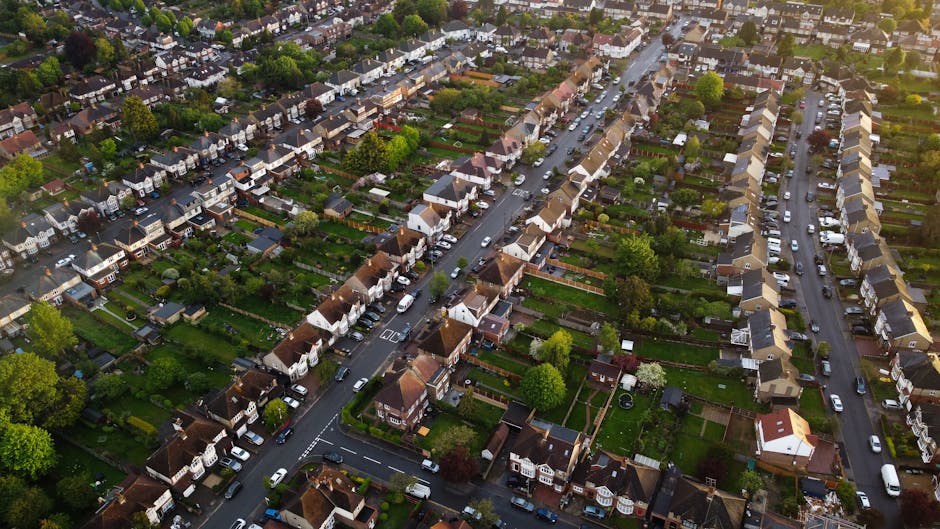
Here's a realistic sort of scenario. A resident in an Oakleigh Park estate is moving from a two-bedroom flat with a shared access lane behind the building. The lane is narrow, parking is limited, and the stairwell is tight on the turn. There's no room for a large vehicle to sit directly outside without blocking entry for neighbours.
The solution is not to force the biggest van available into the space. Instead, the move is broken down into stages. Smaller boxes are pre-labelled, the bulkiest furniture is dismantled before the day, and the van is positioned at the nearest safe stopping point. A short hand-carry route is created using blankets and a trolley, while the crew loads in a sequence that keeps the corridor clear.
The result? Less shuffling, fewer pauses, and no awkward last-minute panic over a wardrobe that won't turn the corner. It's not glamorous, but it works. And that is usually what people want: a move that feels controlled, not theatrical.
We've seen similar outcomes on homes where the customer had already read up on cleaning before relocating and done a proper pre-move sort. That kind of prep makes the final sweep much easier and leaves both properties in better shape.
In another case, a family stored one or two larger items temporarily because the new property's access was too tight for a same-load delivery. That decision removed pressure from the day and made the final placement far less chaotic. A bit of flexibility can save a lot of hassle.
Practical Checklist
Use this checklist in the days before your move. It's simple, but it covers the things people most often miss.
- Measure gates, doorways, stair turns, and the lane approach.
- Check parking restrictions and estate access rules.
- Confirm the best vehicle size for the route.
- Set aside fragile, heavy, and awkward items.
- Disassemble beds, tables, or large furniture where needed.
- Pack boxes by room and label them clearly.
- Prepare blankets, tape, tools, and protective covers.
- Keep walkways free of loose items, shoes, and debris.
- Make sure keys, contacts, and essential documents are easy to reach.
- Plan for weather, delays, and a slightly longer carry distance than you'd like.
- Review any service or safety details with your chosen mover in advance.
Expert summary: the best tight-lane move is usually the one where the crew never has to guess. Clear access, sensible packing, and the right vehicle do most of the heavy lifting before the heavy lifting even begins.
Conclusion
Oakleigh Park estate moves are not difficult because they are impossible; they are difficult because the details matter. Narrow lanes, shared spaces, and awkward parking demand a bit more thought than a standard curbside move. Once you plan for access properly, the rest becomes much easier to manage.
The big wins are simple: measure carefully, reduce clutter, pack well, choose the right service, and keep the route as clear as possible. Whether you're moving a flat, a family home, or a small office, that approach will save time and protect your belongings. And if the job includes bulky furniture or specialist items, bringing in the right help can make all the difference.
Get a free quote today and see how much you can save.
If you'd like a more tailored next step, start with the service that matches your move best, then build from there. A calm move is usually a prepared move, and honestly, that little bit of preparation changes everything.