N20 Removals: Oakleigh Park Postcode Parking Guide
Posted on 14/05/2026
Parking can make or break a move. If you are planning removals in N20 and loading or unloading in Oakleigh Park, the difference between a smooth day and a frustrating one often comes down to a few metres of kerb space, a sensible plan, and knowing what to expect before the van arrives. That is really what this N20 Removals: Oakleigh Park Postcode Parking Guide is for.
In a residential area like Oakleigh Park, roads can be narrow, spaces can disappear quickly, and a van that cannot stop near the property can slow everything down. It may sound minor at first. Then moving day arrives, the lift is full, the sofa is awkward, and someone is carrying box number eleven across the road in the rain. Not ideal.
This guide breaks down how parking affects removals in the N20 area, how to prepare properly, what to ask your mover, and how to avoid the most common mistakes. You will also find practical examples, useful checklists, and internal links to related moving resources if you want to plan the rest of the job properly.
Why N20 Removals: Oakleigh Park Postcode Parking Guide Matters
Parking is not just a convenience issue during a move. It shapes the whole rhythm of the day. If the van can park close to the entrance, loading is quicker, safer, and less tiring. If it cannot, the move starts to absorb extra time immediately. You get more walking, more lifting, more stopping and starting, and usually more stress than anyone wants on moving day.
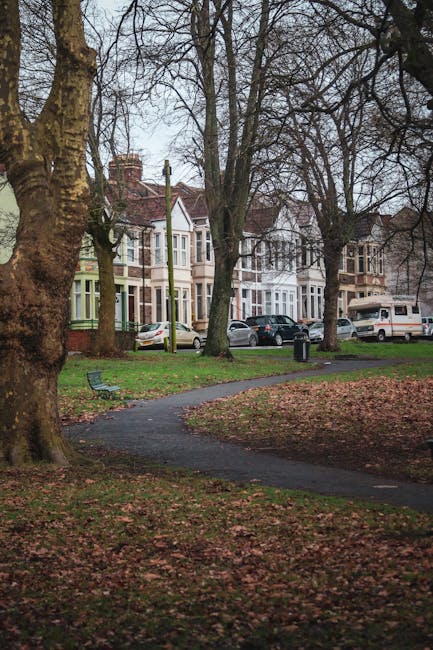
Oakleigh Park has many of the features that make parking planning worthwhile: residential streets, driveways that may already be in use, possible restrictions, and the usual London pressure on roadside space. Even a seemingly simple move can become awkward if a van ends up blocking the wrong bay or circling for ages while the crew waits outside with furniture in hand.
For that reason, parking should be treated as part of the moving plan, not an afterthought. It affects:
- how long the removal takes
- how many trips are needed
- the safety of lifting and carrying heavy items
- whether access to the property remains clear
- the chance of delays, complaints, or avoidable friction with neighbours
There is also a practical financial angle. If parking is poor, a move can take longer than expected, which may affect costs for time-based services. Even if you are using a fixed-price quote, delays still create a harder day. Nobody enjoys that. Truth be told, a bit of parking planning pays for itself in calm alone.
If you are still in the early planning stage, it can help to read broader moving advice too, such as house moving without the stress and packing strategies for moving day. Parking works best when it sits inside a bigger plan.
How N20 Removals: Oakleigh Park Postcode Parking Guide Works
The basic idea is simple: before the removal team arrives, you identify the safest and most practical place for the van to stop, load, or unload. In some cases that will be a driveway or private forecourt. In others, it may be on-street parking close to the property. Sometimes the best option is a short stop for loading only, with a second space used once the larger items are moved out.
The process usually involves four practical questions:
- Can the van access the property directly? If yes, great. That usually makes everything easier.
- Is there legal, safe roadside space nearby? If yes, confirm whether it is unrestricted, time-limited, or controlled in some other way.
- Will the van block anything important? Think about driveways, turning space, bins, visibility for other road users, and access for neighbours.
- Do any items need special handling? Large furniture, fragile items, or long carries make parking even more important.
Removal crews often prefer to work from the closest possible position because it reduces lifting distance and the risk of bumping walls, stair rails, or door frames. That is especially true for awkward pieces like wardrobes, mattresses, or a heavy sofa. If you are moving a larger item and want to understand the handling side better, the guide on safe methods for lifting heavy objects is worth a look.
In everyday terms, the guide is about reducing friction. Less walking. Less waiting. Less confusion. It is not glamorous, but it matters.
Key Benefits and Practical Advantages
Good parking planning does more than save a few minutes. It changes the whole tone of the move. Here are the main benefits people notice first.
1. Faster loading and unloading
The closer the van is to the entrance, the faster the crew can transfer items. That matters most when you have a lot of boxes, bulky furniture, or a tight schedule with access windows at either end.
2. Lower physical strain
Every extra metre matters when you are carrying a fridge, a bed base, or a stack of boxes. Shorter carries reduce fatigue and help prevent awkward slips. It sounds obvious, but when you are in the middle of the day, the body notices quickly.
3. Better protection for items
Longer carries mean more chances to knock into walls, wet surfaces, parked cars, or steps. Better parking generally means fewer handling risks. That is one reason why people moving furniture often look at dedicated support such as furniture removals in Oakleigh Park.
4. Less disruption to neighbours
A tidy parking plan reduces the chance of blocking driveways or causing confusion on the street. In a busy residential road, that alone can save awkward conversations.
5. More accurate planning for the mover
When the mover knows where they will park, they can plan the load order more effectively. Heavy items can be positioned for easier access, and fragile boxes can be kept away from unnecessary handling.
| Parking setup | Typical effect on the move | Best for |
|---|---|---|
| Direct driveway access | Fastest, simplest loading | House moves, full van loads, bulky furniture |
| Close on-street space | Usually efficient if legal and clear | Flat moves, smaller houses, short-distance loading |
| Distant parking | Slower, more carrying, more tiring | Only if no closer legal option exists |
| Temporary loading bay / managed stop | Useful but needs planning and timing | Time-sensitive moves, busy streets, mixed access |
Who This Is For and When It Makes Sense
This guide is useful for anyone moving in or around Oakleigh Park, but it is especially relevant if your property has limited access or if the road layout may affect the van's stopping point.
- Homeowners moving house: when large items, boxes, and appliances need to be carried efficiently.
- Flat movers: where access may be via stairs, shared entrances, or tighter roadside parking.
- Students: especially if moving with a smaller load but no private parking space. A service like student removals in Oakleigh Park can be a good fit here.
- Office movers: when timing, access, and keeping disruption low all matter at once.
- People using a man and van service: where the parking plan directly affects how quickly the team can work.
- Last-minute movers: for example, if you need same-day removals in Oakleigh Park and have little time to improvise.
If you are comparing service types, it can also help to review the wider services overview and man and van options in Oakleigh Park. Parking needs can differ a lot depending on the setup.
This is also a good time to mention something small but real: if you are moving from a second-floor flat on a damp Monday morning, a five-minute parking win can feel like a miracle. Not dramatic, just true.
Step-by-Step Guidance
Here is a practical way to handle parking for an Oakleigh Park move without overcomplicating it.
Step 1: Check access before moving day
Walk outside and look at the property as a mover would. Is there a clear stopping point? Is there enough width for a van to pull in safely? Are there low branches, bollards, narrow bends, or parked cars that could get in the way?
Step 2: Identify legal parking options
Look for signs, markings, and any restrictions nearby. If the area has controlled parking or loading rules, make a note of them. Avoid assuming that a space is fine just because it looks empty. Empty does not always mean available.
Step 3: Speak to your removal provider early
Give the team the best possible description of the street. Mention whether the property is on a main road, a side road, a cul-de-sac, or in a flats block with shared access. If the van may need to park a short distance away, say so up front. That helps them plan the right vehicle and loading approach. For many moves, a removal van in Oakleigh Park is chosen with access in mind.
Step 4: Reserve or arrange parking where possible
In some cases you may be able to arrange a space on private property or ask a building manager about temporary access. Do this early if your building requires approval. Leaving it until the morning of the move is, to be fair, a bit of a gamble.
Step 5: Prepare the loading zone
Move bins, bikes, plant pots, and anything else that could block the path. If the van is parking in front of your property, keep the walkway clear. Small details matter here.
Step 6: Pack with the parking layout in mind
Load the most awkward or heavy items first if they are closest to the exit. Keep essentials separate. Good packing reduces the time the van spends on the road and in the doorway, which is why many people pair this topic with packing success strategies for moving day.
Step 7: Stay flexible on the day
Sometimes another vehicle takes the best space five minutes before arrival. It happens. Have a backup option in mind, and keep a calm tone with the crew. A little flexibility goes a long way.
Expert Tips for Better Results
Here are a few things experienced movers tend to do well. Nothing flashy. Just sensible habits that save headaches.
- Do a quick street rehearsal: if possible, check the road at the same time of day as the move. Morning and late afternoon can feel very different.
- Keep keys and access details ready: if the van needs to move between a front door and a side entrance, make sure someone knows who has the keys.
- Use a spotter if space is tight: one person guiding the van can prevent minor scrapes and confusion.
- Place fragile items near the exit: this shortens handling time and reduces the temptation to shuffle them around repeatedly.
- Consider item-specific services: if you have a piano, a grand wardrobe, or a heavy bed frame, specialised help can make parking limitations less painful. See piano removals in Oakleigh Park and piano transport advice.
- Think about the destination as well as the origin: many delays happen at the drop-off address, not the pickup. A good plan covers both.
One small but useful observation: the best moves often feel boring. The van parks well, the pathway stays clear, and everyone keeps moving. Boring is good. Boring means controlled.
Common Mistakes to Avoid
Most parking problems come from simple assumptions. Here are the ones that cause trouble most often.
Assuming any empty space is fair game
Road markings and restrictions matter. Even if a space looks free, it may not be suitable for a removal vehicle. Always check first.
Forgetting about height, width, and turning room
Vans need more than a place to stop. They need a sensible approach angle and enough room to leave again safely. Tight streets can look manageable on foot and still be awkward for a larger vehicle.
Not warning the removal team about access issues
If you know parking is limited, tell them early. A short, honest description is much more useful than trying to improvise on the day.
Leaving heavy lifting until after parking is sorted
Parking and handling are linked. If the van is a long walk away, the crew may need to change the order of loading or use extra equipment. Keep that in mind when planning.
Blocking neighbours without warning
In a close residential street, a quick heads-up can prevent irritation. A polite note or conversation can make a surprising difference.
Neglecting weather and surface conditions
Rain, leaves, mud, or poor lighting can turn a simple path into a slippery one. Oakleigh Park mornings can be damp, and that matters when boxes are being carried back and forth.
If your move involves a lot of furniture, it is worth thinking about storage or staging too. The article on sofa preservation tips and the local storage options in Oakleigh Park may help if you need to split the move into stages.
Tools, Resources and Recommendations
You do not need fancy equipment to manage parking well, but a few simple tools help a lot.
- Phone maps and street view: useful for checking road width, junctions, and nearby parking patterns.
- A tape measure: helpful if you are checking whether furniture, doorways, or a vehicle route will fit comfortably.
- Notepad or phone notes: keep parking restrictions, contact names, and access timings in one place.
- Labels for boxes: good packing makes short loading windows easier to manage.
- Protective kit: gloves, covers, and blankets can reduce damage where parking or access is tight.
For a more complete moving setup, the following resources are especially relevant:
- packing and boxes in Oakleigh Park for organising items efficiently
- cleaning your home before relocating so the property is ready for handover
- decluttering before you move to reduce the load in the first place
- transporting your bed and mattress if large bedroom items are part of the job
- storage tips for freezers if appliances need to be paused between locations
And if you are weighing up service quality, it never hurts to review the company's wider standards, such as insurance and safety and health and safety policy. That tells you a lot about how they work on real jobs, not just on paper.
Law, Compliance, Standards, or Best Practice
This topic is practical rather than heavily regulated for the average house move, but there are still important standards and good practices to respect. In the UK, parking and loading on public roads must follow local restrictions and signage. That means you should not assume that loading is allowed just because the van is stopping briefly. If a road is controlled, the rules still matter during a removal.
If you are parking on private property or inside a managed development, building rules may also apply. Some flats blocks, estates, or commercial premises have their own procedures for access, booking, or temporary stopping. It is wise to check those requirements in advance rather than relying on common sense alone. Common sense is useful, but it is not always enough, unfortunately.
Good best practice for removals usually includes:
- using legal parking only
- keeping pedestrian access clear where possible
- avoiding unnecessary obstruction
- communicating access needs clearly with the mover
- protecting people, property, and vehicles during loading
If there is any uncertainty, ask the removal provider what they recommend. Responsible companies should be comfortable discussing access, safety, and practical limitations. You can also review supporting pages such as terms and conditions and privacy policy if you want to understand how bookings and customer details are handled.
For anyone wanting to understand the wider company approach, the pages on about us, recycling and sustainability, and payment and security are also sensible reads. They help build trust, which matters just as much as the parking itself.
Options, Methods, or Comparison Table
Different moves call for different parking approaches. The right choice depends on access, property type, item size, and how much flexibility you have on the day.
| Method | Pros | Trade-offs | Best fit |
|---|---|---|---|
| Driveway or private forecourt | Fast, direct, simple | Not always available | Full home moves, heavier furniture |
| Short on-street stop | Good for quick loading | Needs legal availability and timing | Small to medium moves |
| Managed loading bay | Structured and efficient | May require booking or permission | Flats, offices, mixed-use buildings |
| Distant parking with carried load | Fallback option if nothing else works | Slower and physically harder | Only when access is limited |
For many people, the best answer is not one method but a combination. For example, the van may park in the nearest legal bay for general boxes, then move to a better position for a heavier item or two once access opens up. That kind of adaptability is where a good mover earns their keep.
Case Study or Real-World Example
Here is a realistic scenario. A family in Oakleigh Park is moving from a two-bedroom flat to a nearby house. They have a cot, a mattress, three wardrobes, a sofa, and a stack of sealed boxes in the hallway. The street outside is busy in the morning, and the building has limited stopping space.
Instead of leaving parking to chance, they check the road the day before, note the clearest legal stop, and speak to the removal team early. They also clear the communal entrance and make sure the lift is not held up by loose items. On moving day, the van parks close enough for efficient carrying, and the crew can load the mattress and furniture without repeated detours. It is not effortless, but it stays controlled.
The result? Less time wasted at the kerb, fewer chances for damage, and a much calmer family. One parent said later that the best part was not the speed, oddly enough. It was that nobody felt rushed. And that really does matter.
This is the same reason people moving larger pieces often plan specialised support in advance, such as furniture removals or more targeted services like removals in Oakleigh Park. A smooth parking setup gives the whole operation a better shape.
Practical Checklist
Use this simple checklist before moving day. It keeps the parking side of the move grounded and manageable.
- Confirm the exact pickup and drop-off addresses
- Check for road signs, restrictions, and loading limits
- Ask whether private parking or driveway access is available
- Measure awkward access points if needed
- Tell the mover about stairs, tight entrances, or narrow roads
- Clear bins, bikes, and obstacles from the loading path
- Keep keys and access codes ready
- Prepare fragile and heavy items in an accessible order
- Have a backup parking idea in case the preferred spot is taken
- Check whether any building or estate rules apply
- Review safety guidance if heavy or awkward furniture is involved
- Leave a little buffer time, because things rarely run exactly to plan. Rarely.
If you are still sorting the rest of the move, the article on moving without the stress is a useful companion piece. It pulls together planning, packing, and the mindset side of the day.
Conclusion
Good parking is one of those moving details that people often underestimate until they are standing on the pavement wondering where the van can actually go. In Oakleigh Park, and across the N20 area more broadly, a little forward planning makes the day smoother, safer, and much less tiring.
The core lesson is simple: think about access early, confirm the practical details, and keep the loading path as short and clear as possible. Whether you are moving a full family home, a single flat, or a small office setup, the parking plan shapes everything else.
And if you are already juggling boxes, keys, cleaners, and timing windows, take a breath. One well-planned space at the kerb can save a surprising amount of hassle. That is the quiet win most people remember afterwards.
Get a free quote today and see how much you can save.
For a trusted next step, explore the local removal services in Oakleigh Park and choose the option that fits your property, your schedule, and your parking realities. Small details, properly handled, make all the difference.