Oakleigh Park Station Moves: Loading & Access
Posted on 02/06/2026
Oakleigh Park Station Moves: Loading & Access
Moving near a busy station sounds simple until you are stood outside with a sofa, two boxes that seem to have multiplied overnight, and a van waiting somewhere just out of sight. Oakleigh Park Station Moves: Loading & Access is really about making that tricky part of the day feel controlled: where the vehicle can stop, how long it can stay, what can be carried safely, and how to avoid the usual last-minute scramble. If you are planning a home move, a flat move, or even a quick furniture collection around Oakleigh Park, the loading side can make the difference between a smooth morning and a very long one.
This guide explains how station-area loading and access works in practice, what to check before moving day, and how to reduce delays, lifting risk, and parking headaches. You will also find useful links to packing, decluttering, heavy lifting, and local removals support so you can plan the whole job properly. Truth be told, the move itself is rarely the hardest part - it is the access.
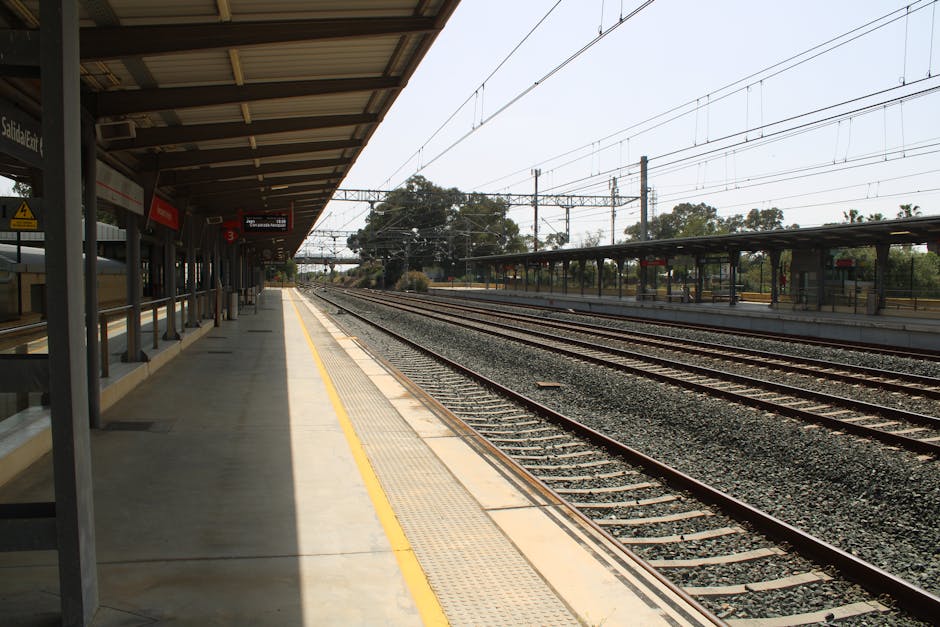
Why Oakleigh Park Station Moves: Loading & Access Matters
At first glance, access near Oakleigh Park Station may seem like a small detail. In reality, it affects almost everything about the move: timing, safety, vehicle choice, labour needed, and whether your removal team can work in one clean run or has to stop-start their way through the day.
Station areas tend to be a little more complicated than quieter residential streets. There may be commuter traffic, tighter kerbside space, driveways you do not want to block, and neighbours who need access too. If the van is too far away, every box and chair becomes a longer carry. If the van is positioned badly, one missed turn can create a bottleneck that slows everyone down. That is how a straightforward move turns into a drawn-out one. And nobody wants that by 9:15 in the morning.
For local moves, the loading plan matters just as much as the packing plan. That is why many people pair access planning with packing success on moving day and a sensible decluttering pass using decluttering essentials before you move. Less clutter means fewer trips, less lifting, and less pressure on the route between the front door and the van.
Practical takeaway: good loading access is not just about parking. It shapes the speed, safety, and cost-effectiveness of the whole move.
How Oakleigh Park Station Moves: Loading & Access Works
Loading and access near Oakleigh Park Station usually comes down to three questions: where can the van stop, how close can it get to the property, and how will items travel between the two points?
In practice, a local removals team will normally assess the route from property to vehicle before anything heavy is moved. That means checking whether the path is clear, whether stairs or narrow halls create pinch points, and whether the van can be positioned for efficient loading without blocking traffic or creating a risk. It sounds basic. It isn't. Small access issues are often the ones that cause the biggest headaches.
For some homes, especially flats or properties with limited frontage, the best approach may be a smaller vehicle or a man and van setup. For larger moves, a bigger removal van might still be the right choice, but only if the street layout allows it. If access is awkward, using a flexible service like man and van in Oakleigh Park or a suitable removal van in Oakleigh Park can make the loading phase far less stressful.
There is also the human side of it. A van parked 30 metres farther away than expected might not sound dramatic, but over 15 trips it really is. You feel it in your shoulders. You hear it in the floorboards. You notice it by the time the kettle has not even been plugged in at the new place.
What a good access plan usually includes
- Street and kerbside parking checks before move day
- Clear entry and exit routes at both properties
- Protected floors and doorways where needed
- Correct vehicle size for the street and load volume
- Parking timing that fits local traffic patterns
- Lift, stair, and doorway measurements for bulky items
Key Benefits and Practical Advantages
When loading and access are planned properly, the gains are immediate. The move runs faster, damage risk drops, and the day feels calmer. Not glamorous, maybe, but very real.
One of the biggest advantages is reduced handling. The shorter the distance between the property and the van, the less chance of knocks, scrapes, dropped corners, or strained backs. That matters especially for awkward items such as mattresses, wardrobes, and mirrors. If you are moving furniture, it is worth reading the dedicated furniture removals service in Oakleigh Park and the guide on transporting your bed and mattress because those items often reveal access problems before moving day even starts.
Another advantage is better time control. If you know the van can stop safely, and you know how the route will work, the removal team can load in a steady rhythm rather than pausing to rearrange vehicles or ask neighbours to move cars. That keeps the day moving. It also helps if you are working to a tight schedule, such as a tenancy handover or a same-day relocation. In those situations, a local same-day removals service in Oakleigh Park can be particularly useful.
There is also a trust factor. A team that takes access seriously usually takes the rest of the move seriously too. They are more likely to think ahead about safety, insurance, and handling standards. That connects naturally with insurance and safety information and the company's broader health and safety policy.
| Planning area | What improves | Why it matters |
|---|---|---|
| Vehicle positioning | Faster loading | Reduces carrying distance and delays |
| Route from door to van | Lower damage risk | Fewer tight turns, knocks, and scrapes |
| Item grouping | Better efficiency | Heaviest and most awkward items go first |
| Parking timing | Smoother logistics | Less conflict with commuter traffic and neighbours |
Who This Is For and When It Makes Sense
Oakleigh Park Station loading and access planning is useful for almost anyone moving nearby, but some people need it more than others.
If you are in a flat with stairs, a shared entrance, or a restricted parking area, access matters a lot. A single awkward corner can turn into the main event. Students moving in or out often underestimate this, which is why student removals in Oakleigh Park are often easier with a smaller vehicle and a clear loading plan.
Households moving from or to family homes usually need the opposite: more volume, more bulky furniture, and more planning around the driveway or road space. The same applies to anyone handling office equipment, trade tools, or specialist items. For business relocations, the access conversation should start early, especially if the move includes desks, cabinets, or IT gear. A quick look at office removals in Oakleigh Park can help you think through that side of things.
This topic also matters if you only need a single item moved. A sofa, a fridge, or a piano can be more challenging than a small household if the access is awkward. For those jobs, the right service choice matters more than the size of the move. Sometimes a straightforward man with a van in Oakleigh Park is the best fit. Other times, specialist help is sensible, especially for piano removals in Oakleigh Park.
And if you are reading this because the move has gone a bit sideways already - missing keys, delayed completion, surprise access issue, all that - you may need a more flexible option such as same-day removals in Oakleigh Park. Happens more often than people admit, honestly.
Step-by-Step Guidance
Here is the practical version. No fluff, just the sequence that tends to work best.
- Check the access at both addresses. Walk from the front door to the roadside. Look for steps, narrow passages, low walls, railings, or anything that might slow a bulky item.
- Measure the key items. Measure sofas, beds, wardrobes, fridges, and anything that cannot be easily turned or folded. Compare that against door widths and stair turns.
- Decide on the vehicle size. A bigger van is not always better if the street is tight. In some cases, a slightly smaller vehicle is easier to position and quicker to load.
- Clear the path. Move shoes, mats, bins, plant pots, and loose objects out of the route. One stray object can cause a trip hazard right when people are carrying the heaviest thing in the house. Yes, the tiny stuff causes the biggest problems. Annoying, but true.
- Pack by load order. Put heavy items and awkward shapes where they can be loaded first. Use a sensible sequence rather than loading room-by-room in random order. If you need help with this, see these packing strategies for moving day.
- Reserve or check parking where possible. If access is likely to be tight, find out whether a permit, timed stop, or neighbour coordination will be needed.
- Protect the property. Use covers, blankets, and floor protection at high-contact points, particularly in shared entrances and narrow hallways.
- Load the van in a deliberate order. Heavy items low and secure, lighter items on top where appropriate, and fragile items cushioned away from impact points.
- Do a final walk-through. Check cupboards, loft spaces, behind doors, and under beds. The last thing you want is a forgotten item after the van has gone. We have all had that one "oh no" moment.
If the move includes specialist belongings, use the right guidance rather than guessing. For example, the article on when to call for help with piano transport is useful if you are uncertain about lifting or stair access. Likewise, safe methods for lifting heavy objects by yourself gives a sensible reality check before you decide to "just carry it down".
Expert Tips for Better Results
Small details make a surprising difference. Here are the ones that tend to matter most in local moves around station areas.
1. Time the load around local traffic
Near a station, the road can feel calm one minute and busy the next. If you can, avoid the obvious commuter peaks. Even a 20-minute shift can reduce pressure on the kerbside. That alone can save you from circling the block with a van full of boxes while everyone gets increasingly grumpy.
2. Keep the first load accessible
Set aside items you will need first at the new property, such as kettle, basic tools, chargers, and documents. If everything important is buried behind a stack of cushions and lamps, you end up unpacking in reverse order. Not ideal.
3. Pre-categorise awkward items
Label furniture and large boxes by destination room and weight class where useful. For example, "bedroom, heavy" or "kitchen, fragile". That helps the van team place items more efficiently and avoids unnecessary re-handling.
4. Protect corners and floors early
Narrow hallways and shared stairs take the most wear. A little protection at the start is cheaper and calmer than dealing with a chipped wall later. If you are not sure what materials to use, a local packing and boxes service in Oakleigh Park can be a very practical add-on.
5. Think about storage if access is split
Sometimes the old property and the new one are not ready at the same time. In those cases, temporary storage can stop the day becoming chaos. Have a look at storage options in Oakleigh Park if you are bridging a gap between addresses.
One more thing: if you need to move something large but the access is poor, do not try to out-muscle the problem. The smarter option is usually better vehicle planning, more hands, or specialist handling. There is no prize for carrying a wardrobe down a narrow stairwell like a hero from a badly planned film.

Common Mistakes to Avoid
Most access problems are predictable. That is the frustrating part. The good news is they are also avoidable.
- Assuming the van will "just fit". Street geometry matters. A van that is fine on one road can be a nuisance on another.
- Ignoring stair turns and door swings. A sofa that fits the door might still fail at the landing.
- Leaving parking until the last minute. If you need a certain spot, sort it early.
- Overpacking boxes. Heavy boxes slow loading and create avoidable injury risk.
- Not checking access at the new property. People often focus on the old house and forget the new one. Then the van arrives, and the lift is tiny. Lovely.
- Forgetting shared access rules. Flats, managed buildings, and some developments may have their own entry expectations or time windows.
- Trying to move specialist items without planning. Pianos, large mirrors, and bulky appliances deserve a proper plan.
If you are trying to reduce the overall moving load before the day, pair access planning with the advice in cleaning your home before relocating and house moving without the stress. Those guides help cut the number of last-minute decisions, which is where mistakes creep in.
Tools, Resources and Recommendations
Good tools do not make a move effortless, but they do make access problems more manageable. If you are preparing for Oakleigh Park Station loading, these are worth having to hand.
- Measuring tape: for doorways, stair widths, furniture dimensions, and van clearance.
- Furniture blankets and covers: to reduce scrapes on surfaces and protect upholstery.
- Strong tape and labels: to identify rooms and item categories quickly.
- Gloves and proper footwear: better grip, better control, less slip risk.
- Trolley or sack truck: useful for boxed items, appliances, and repeated trips.
- Floor protection: especially useful in shared halls, flats, and freshly cleaned homes.
For items that need a bit more care, specialist guidance helps. A mattress, for example, benefits from the right wrapping and carrying technique, which is why the article on transporting your bed and mattress is a useful read before move day. Sofas are similar: they are awkward, bulky, and often heavier than they look. The piece on sofa preservation tips from the pros is handy if you want to keep upholstery in decent shape while moving it.
And if you are still comparing help options, it is worth browsing the wider services overview or the more general removal services in Oakleigh Park. That gives you a cleaner sense of which service type matches your access needs.
Law, Compliance, Standards, or Best Practice
For a local removal, you usually do not need to master the law books, but you should follow sensible UK best practice around parking, access, safety, and handling. The main point is simple: do not obstruct roads, block driveways, or create unsafe conditions while loading.
Where parking restrictions apply, check local rules before leaving the van in place. If a loading bay, permit, or timed stop is involved, plan for it rather than hoping for the best. That is especially true near stations where short-stay parking and commuter traffic can make improvisation a bad idea. Best practice is to confirm access arrangements early with the building, landlord, or property manager if needed.
From a safety perspective, teams should lift sensibly, avoid overloading boxes, and use appropriate handling methods. If an item is too heavy, too awkward, or too valuable to risk, that is the point to slow down and call for help. There is no shame in that. In fact, it usually means you have made the smarter decision.
It is also sensible to work with a provider that makes safety and fairness easy to review. Pages such as about us, payment and security, terms and conditions, privacy policy, and the complaints procedure all help set expectations clearly. That kind of transparency matters. Quietly, it really does.
Options, Methods, or Comparison Table
Choosing the right loading method depends on access, volume, and how much handling you want to do yourself. Here is a simple comparison.
| Option | Best for | Strengths | Limitations |
|---|---|---|---|
| Man with a van | Small to medium moves, tighter streets | Flexible, practical, often ideal for short access distances | May need more trips for larger loads |
| Removal van with a team | Larger homes and more furniture | Better for speed, heavier items, and shared labour | Requires more parking and access planning |
| Specialist item handling | Pianos, large appliances, delicate furniture | Reduces risk on high-value or awkward items | More planning and potentially more cost |
| Storage plus staged move | When access or completion timing is uncertain | Creates flexibility and avoids pressure on the day | Requires extra coordination |
If your move is mainly about furniture and access, the dedicated flat removals service in Oakleigh Park may be more relevant than a general household move. If it is a full family property, then house removals in Oakleigh Park gives a clearer match.
Case Study or Real-World Example
A typical local scenario goes like this. A couple moving out of a flat near the station has a sofa, a bed frame, a washing machine, and around thirty boxes. The street is busy at school-run time, and the front access is shared. On paper, it looks manageable. In practice, the van cannot block the entrance for long, so every second counts.
What usually makes the difference is preparation. The team checks the stair width in advance, the couple keeps boxes grouped by room, and the larger items are staged near the door before the van arrives. The sofa is wrapped properly, the mattress is protected, and the washing machine is moved last so it does not obstruct the route. Because the loading point has been thought through, the job finishes in one controlled sequence instead of four stressful bursts.
That sort of move is exactly where small planning choices pay off. A better vehicle choice, a clearer route, and a few sensible labels can save a surprising amount of time. And it is not always about the big stuff. One misplaced shoe rack near the hallway can make the whole operation clumsy. Slightly ridiculous, but there you are.
For a move like that, the most useful supporting reads are usually packing strategies for moving day, decluttering essentials before you move, and the local route-focused guide on Oakleigh Road North removals, best routes and parking tips. Different street, same principle: access planning changes everything.
Practical Checklist
Use this checklist before move day if you want loading and access near Oakleigh Park Station to run properly.
- Measure doorways, hallways, stairs, and key furniture pieces
- Confirm the best vehicle size for the street and load
- Check whether parking, permits, or timing limits apply
- Clear entry routes on both sides of the move
- Protect floors, corners, and shared access points
- Group boxes by room and priority
- Prepare labels for fragile, heavy, and first-needed items
- Set aside tools, chargers, documents, and essentials separately
- Plan for bulky or specialist pieces in advance
- Keep contact details handy in case parking or access changes
- Review safety, insurance, and service terms before booking
- Allow extra time for station-area traffic or loading delays
Expert summary: the smoothest station-area moves are rarely the fastest-looking ones at the start. They are the ones where access is checked early, items are packed intelligently, and nobody has to improvise in the middle of the street.
Get a free quote today and see how much you can save.
Conclusion
Oakleigh Park Station Moves: Loading & Access is really about taking the uncertainty out of the day. If you know where the van will stop, how the load will travel, and which items need extra care, the whole move becomes more predictable. That is good for your back, good for your schedule, and frankly good for your mood.
Whether you are moving from a flat, shifting furniture, handling a same-day changeover, or planning a bigger household relocation, the same rule applies: sort the access first. The rest tends to follow. It may feel like a small detail now, but on moving day it is the detail.
And if you get it right, the whole thing has a better rhythm. Less rushing, fewer bumps, less noise, more breathing space. That is the kind of move people remember for the right reasons.