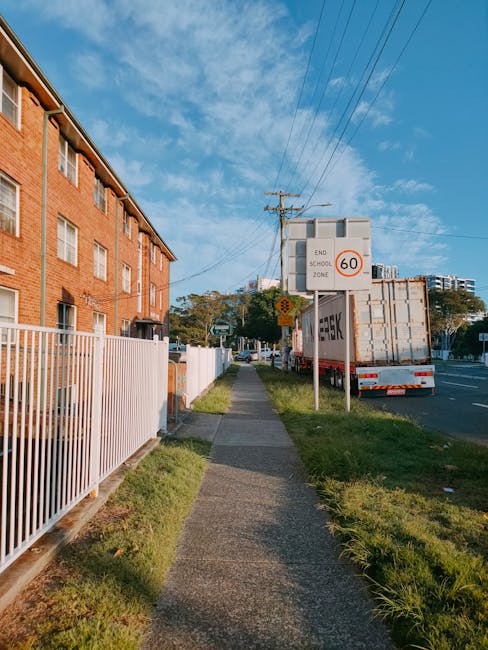
Pavement loading laws in Oakleigh Park: mover duties
If you are moving in Oakleigh Park, pavement loading can look deceptively simple: stop the van, unload quickly, get on with the day. In reality, it sits right at the intersection of access, safety, local restrictions, and plain old common sense. Understanding Pavement loading laws in Oakleigh Park: mover duties helps you avoid delays, complaints, penalty risk, and the awkward moment when a move that should be smooth suddenly turns into a traffic-and-pavement shuffle. That is not fun for anyone. Not for the crew, not for neighbours, and not for the driver trying to keep a timetable that already feels tight.
In this guide, we will break down what pavement loading usually means in practical terms, how movers should handle it, what duties matter most, and how to plan a safer, cleaner, and more compliant move in the Oakleigh Park area. You will also find a step-by-step checklist, local considerations, a realistic example, and answers to the questions people tend to ask when they are half-packed and slightly stressed.
Table of Contents
- Why pavement loading laws matter
- How loading on the pavement works in practice
- Key benefits and practical advantages
- Who this is for and when it makes sense
- Step-by-step guidance
- Expert tips for better results
- Common mistakes to avoid
- Tools, resources and recommendations
- Law, compliance, standards and best practice
- Options, methods, or comparison table
- Case study or real-world example
- Practical checklist
- Conclusion
- Frequently asked questions
Why Pavement loading laws in Oakleigh Park: mover duties Matters
Pavement loading matters because it is rarely just about where the van parks. It affects pedestrians, prams, wheelchairs, parked cars, road width, visibility, and how quickly a move can happen without causing friction. In Oakleigh Park, where streets can be busy and access may be tight in places, a small planning error can create a chain reaction: the vehicle is parked awkwardly, items are carried too far, the footway gets blocked, and someone gets annoyed. Sometimes several someones.
For movers, the duty is not simply "get it done." It is to get it done safely and with enough control that the pavement remains usable where possible. That means thinking about the route from the property to the van, the time spent loading, the size of the items, and whether a short stop is acceptable or whether a different approach is better. A good mover sees the loading point before the first box is lifted. A rushed mover sees it after the first complaint. Big difference.
It also matters from a customer service point of view. People moving house already have enough on their minds. If the loading plan is calm, tidy, and respectful of the street, the whole day feels less chaotic. That is why many people reading about house moving without the stress will find that loading discipline is one of the hidden reasons the move feels manageable.
How Pavement loading laws in Oakleigh Park: mover duties Works
In practical terms, pavement loading is the act of loading or unloading goods where the vehicle is close enough to the property that items can be moved efficiently, but without creating unnecessary obstruction or danger. The key word is reasonableness. Not every street allows the same approach, and not every move is treated the same way. A flat move from a narrow road is not the same as a straightforward house move with clear driveway access.
Movers typically have to balance three things at once:
- Access - can the van get close enough to the entrance?
- Safety - can items be moved without blocking people or risking injury?
- Compliance - is the loading method consistent with local parking rules, signage, and council expectations?
That is where mover duties come in. A competent mover should assess the loading point before unloading begins, keep the route clear where possible, and avoid leaving boxes, furniture, trolleys, or blankets spread across the footway. If a brief pavement crossing is unavoidable, the work should be controlled and quick, not casual and sprawling.
In some Oakleigh Park streets, that may also mean planning around busier times of day, residents' parking zones, school traffic, or awkward bends. You can learn a lot by reading local route-and-access guidance such as Oakleigh Road North removals best routes and parking tips and Oakleigh Park station moves loading access.
There is another layer here too: a mover should not assume that "we only need five minutes" makes every loading choice acceptable. Sometimes five minutes is enough to trigger a complaint if the pavement is fully blocked. To be fair, the public does not care how long the van stayed there if they had to step into the road to get past.
Key Benefits and Practical Advantages
Getting pavement loading right is not just about avoiding hassle. It gives you a cleaner, more efficient move overall.
- Less risk of delay - a clear loading plan saves time at the sharp end.
- Better safety - fewer trips, fewer collisions, fewer awkward lifts.
- Lower chance of complaints - neighbours are less likely to be frustrated by blocked access.
- Cleaner vehicle flow - the van stays organised, which reduces broken items and dropped boxes.
- More predictable costs - fewer disruptions mean fewer overruns and less expensive improvising.
There is also a subtle benefit people often miss: confidence. When movers know their loading method is sensible and defensible, they work with more rhythm. The job looks composed. That calm shows up in the customer experience. It is a small thing, but it matters.
If you are trying to keep costs under control, understanding loading rules can help you avoid the kind of hidden friction discussed in hidden fees explained for Oakleigh Park removals pricing. Time lost to poor access often becomes money lost somewhere else.
Who This Is For and When It Makes Sense
This topic matters to anyone planning a move where the vehicle may need to stop close to the pavement, which is most people in real life. It is especially relevant if you are:
- moving from a terrace, maisonette, or flat with limited frontage;
- working with a man and van team and need fast but careful loading;
- moving bulky furniture that cannot be carried long distances;
- operating on a tight schedule, such as a same-day or last-minute move;
- moving near busy local roads or tight residential lanes;
- managing a move with fragile, high-value, or awkward items.
It also makes sense for landlords, office managers, and students. A student move may seem straightforward, but student blocks often have the sort of access issues that turn one awkward stairway into a whole afternoon. If that sounds familiar, you may want to look at student removals Oakleigh Park and plan accordingly.
For office relocations, the loading duty becomes even more important because equipment, cables, and furniture all behave differently. One overfilled trolley on a pavement can create a real bottleneck. The same goes for flats with shared entrances. In those settings, a mover has to think beyond the van and into the shared space itself.
Step-by-Step Guidance
Here is a practical way to handle pavement loading in Oakleigh Park without making the day harder than it needs to be.
- Check the access before moving day. Walk the route from the property to where the van is likely to stop. Look for narrow footways, parked cars, low walls, steps, and anything that might create a bottleneck.
- Decide what needs to be closest to the van. Heavy and awkward items should be prioritised so the loading point works efficiently. If you know a sofa, mattress, or piano is involved, build the plan around that first. For specialist items, it helps to read the ultimate guide to transporting your bed and mattress and expert insights on piano transport and when to call for help.
- Keep pathways clear. Stacks of boxes, open bin lids, and loose wrapping create trip hazards. Keep the immediate route tidy.
- Use the right equipment. Dolly trolleys, straps, blankets, gloves, and ramps can reduce the time items spend on the pavement.
- Load in a logical order. Heavy items first, fragile items secured, then smaller boxes to fill gaps. If you want a more organised approach, proven strategies for packing success on moving day pairs well with a proper loading sequence.
- Communicate clearly. One person should guide the loading point, especially if the pavement area is tight or visibility is limited.
- Move quickly, but not carelessly. Speed matters. So does control. A rushed corner is where boxes get bumped.
If the property has a lot of clutter, it is worth clearing the route before the van arrives. A bit of decluttering now can save ten minutes later, which on moving day feels like a minor miracle. You can build that into your prep with decluttering essentials before you move.
And if the home needs a final tidy after the last load leaves, a quick pass through cleaning your home before relocating can help you leave the property in decent shape without lingering stress.
Expert Tips for Better Results
In our experience, the best loading jobs are the ones that look almost boring. Smooth. Unremarkable. That usually means the work has been thought through properly.
- Plan for the bottleneck, not the ideal. Most streets look fine until a large item hits the narrowest point.
- Use one loading captain. Too many voices near the van slow everything down.
- Protect the pavement surface. Mats, blankets, or careful lifting help reduce scraping and dragging.
- Bundle small items before they leave the property. Loose trips back and forth waste energy and clutter the footway.
- Keep breaks brief. The pavement should not become a waiting room.
- Watch weather conditions. Rain makes cardboard, handles, and steps less forgiving. Bit obvious, but easy to forget.
There is also a judgment call around vehicle choice. A smaller vehicle may be easier to position close to the property, especially in awkward roads or estate-style access. Sometimes a bigger van looks efficient on paper and becomes a headache in the street. That is why a man with a van in Oakleigh Park setup can be a sensible fit for smaller or more delicate access jobs, while larger loads may need a broader moving plan.
If you are transporting bulky sofas or multiple pieces of furniture, it is worth thinking ahead about item size and the route to the vehicle. A dedicated read like sofa preservation tips from the pros may sound like storage advice, but the handling principles transfer surprisingly well.
Common Mistakes to Avoid
Here are the errors that cause the most trouble on moving day, or at least the most unnecessary groaning.
- Assuming pavement loading is always fine. It depends on the situation, the road, and how the work is managed.
- Blocking access for longer than needed. Even if you are "just in and out," keep the operation tight.
- Forcing oversized items through a narrow route. Sometimes a different exit or another loading point is the smarter choice.
- Leaving materials scattered. Wrap, tape, and packing debris on the pavement creates hazards fast.
- Ignoring the street context. School runs, station traffic, and parking pressure all change the picture.
- Not checking the loading order. If the van is packed badly, unloading later becomes a mess.
Another classic mistake is poor timing. A morning street can feel calm at 8:00 and then become a queue of deliveries by 9:15. That tiny window matters. If you know the area has loading pressure, plan around it. Local route and access articles such as Oakleigh Park estate moves and tight lane navigation can give you a better feel for how the street fabric affects the move.
Tools, Resources and Recommendations
You do not need a mountain of specialist kit, but a few tools make a real difference:
- Furniture blankets to protect edges during quick transfers.
- Straps and tie-downs to keep loads steady in the van.
- Two-wheel trolley or sack truck for boxes and appliances where appropriate.
- Gloves for grip and protection.
- Floor runners or temporary protection if the route is especially tight or delicate.
- Labels and room markers so the loaded items are easier to place at destination.
For broader move planning, the most useful resources are usually the ones that help you reduce volume and organise your day before the truck arrives. That might mean working through decluttering essentials before you move, sorting packing supplies from packing and boxes in Oakleigh Park, or setting aside temporary overflow with storage in Oakleigh Park.
If you are moving on a shorter timetable, you may also want to consider same-day removals Oakleigh Park. Tight timing and pavement access often go hand in hand, so speed has to be matched with discipline.
Law, Compliance, Standards and Best Practice
Strictly speaking, pavement loading is not something movers should treat casually as "just a parking issue." It touches public access, road safety, and local enforcement practice. While the exact position can vary by location and signage, movers are generally expected to avoid unreasonable obstruction, keep pedestrians safe, and operate within any relevant local restrictions. In an area like Oakleigh Park, that means paying close attention to local road layouts and any council-controlled parking or loading rules.
The safest approach is to treat loading as a managed activity rather than a stop-and-dump moment. Movers should consider the impact on footway users, use the smallest practical loading footprint, and avoid leaving items in a position that creates trip hazards or forces pedestrians into traffic. It sounds obvious, but you would be surprised how often obvious gets missed when everyone is in a hurry.
There is also a practical compliance side for customers. If you book a move, ask how the team plans to handle access, whether they expect to load from the pavement, and what they will do if the street is tighter than expected. That conversation is not overkill. It is what a sensible operator would expect. Related guidance about council permits and local move logistics can be helpful too, including Barnet Council permits for Oakleigh Park removals and N20 removals and parking guidance.
Expert summary: the best compliance habit is simple. Reduce obstruction, control the loading route, and plan the vehicle position before the first item comes out of the house. If the plan feels risky, awkward, or rushed, it probably is.
Options, Methods, or Comparison Table
Different loading methods suit different properties. Here is a simple comparison to help you think it through.
| Method | Best for | Strengths | Trade-offs |
|---|---|---|---|
| Direct curbside loading | Properties with space near the road edge | Fast, efficient, fewer carrying steps | Can be disruptive if the street is busy or the footway is narrow |
| Short-distance carry from nearby parking | Moderately accessible streets | More flexible than strict curbside loading | Requires more labour and time |
| Staged loading from inside the property | Busy or constrained access | Reduces pavement clutter and confusion | Needs coordination and may take longer |
| Smaller vehicle with repeated runs | Very tight streets or estate access | Easier to position, often less disruptive | More trips, so the job needs good planning |
For a lot of Oakleigh Park moves, the best option is not the fastest one on paper. It is the one that keeps the street workable and the team moving with the least friction. If furniture is the main challenge, the dedicated furniture removals Oakleigh Park page may also help you think about the load type before moving day.
Case Study or Real-World Example
Picture a typical morning move in Oakleigh Park. The property is a first-floor flat, the stairwell is narrow, and the van cannot sit directly outside because of parking pressure. The mover arrives, checks the route, and realises that one side of the pavement is tight enough that dragging boxes along it would be a bad idea. Not impossible. Just bad. So they reposition the van, keep the loading space compact, and move items in a sequence that avoids clogging the walkway.
The heavy items go first: a mattress, a table, and a couple of boxed appliances. Smaller boxes follow in tidy bundles. One person guides the carry, one person packs the van, and the customer keeps the hallway clear. The whole thing takes a bit longer than the "ideal" plan, but nothing gets blocked, nothing gets scraped, and nobody is left standing around wondering what went wrong.
That is usually what good mover duties look like in real life. No drama. No heroics. Just steady, careful judgment. And to be honest, the quiet jobs are often the ones that go best.
Practical Checklist
Use this checklist before loading starts:
- Confirm the vehicle position and whether it affects the pavement.
- Check whether the route from property to van is clear of clutter.
- Identify the largest, heaviest, and most awkward items first.
- Prepare trolleys, straps, blankets, and gloves.
- Make sure someone is directing the loading flow.
- Keep boxes and wrapping materials out of pedestrian paths.
- Load in a logical order so the van stays stable.
- Watch for children, neighbours, cyclists, and pedestrians nearby.
- Review local access pressure, especially around busier roads or stations.
- Leave the area tidy once loading is complete.
One more thing: if you are moving a mix of furniture and household goods, a bit of planning around item sequence goes a long way. You can pair this with practical packing guidance from packing success on moving day to keep the whole operation cleaner and calmer.
Conclusion
Pavement loading in Oakleigh Park is not just a traffic matter. It is part of a mover's duty to plan access responsibly, reduce obstruction, protect people around the property, and keep the move moving without turning the pavement into a temporary warehouse. When done well, it saves time, lowers stress, and helps everyone involved feel like the day is under control. That matters more than people realise.
So if you are preparing a move, do the unglamorous work first: check the access, reduce the load, choose the right vehicle position, and think through the loading sequence before the van appears. Small decisions, big difference. Funny how that works.
Get a free quote today and see how much you can save.
And if you are still at that stage where everything is in boxes and one sock has gone missing, take a breath. A well-planned move is still possible, even now.
Frequently Asked Questions
Can movers load from the pavement in Oakleigh Park?
Sometimes, yes, but only if it is done safely, with minimal obstruction, and in a way that respects local access and parking conditions. The exact situation depends on the street and how the loading is managed.
What are mover duties during pavement loading?
Mover duties usually include assessing access, keeping pedestrian routes as clear as possible, using safe lifting methods, avoiding unnecessary obstruction, and loading in a controlled sequence. Good movers also communicate clearly with the customer.
Is short-term pavement blocking allowed if the move is quick?
Speed alone does not make a loading setup acceptable. Even a short blockage can be a problem if pedestrians are forced into the road or the pavement becomes unsafe. The method matters, not just the clock.
How can I tell if my street is too tight for curbside loading?
If parked cars, narrow footways, or a busy street make the route awkward for trolleys and large items, curbside loading may not be the best choice. A pre-move walk-through is the simplest way to judge it.
Do I need special planning for a flat move?
Yes, usually more than people expect. Flats often have stairs, shared entrances, and less direct access to the van. That can make pavement loading more sensitive, especially if the frontage is narrow.
What happens if a mover blocks the pavement for too long?
That can lead to complaints, delays, and potential local enforcement issues depending on the circumstances. It also increases the risk of accidents or damaged items, which nobody wants on moving day.
How do movers protect pedestrians during loading?
They should keep the route as open as possible, avoid leaving items spread out, watch for passers-by, and move in a controlled rhythm. A simple "one item at a time" approach often works best in tighter spaces.
Are smaller vans better for pavement loading in Oakleigh Park?
Often, yes, if access is tight. A smaller van may be easier to position without causing disruption, though it can mean more trips. The right choice depends on the size of the load and the street layout.
What should I do before the mover arrives?
Clear the hallway, pack items by room, remove clutter from the route, and identify any large furniture or fragile items early. If you want a stronger start, house moving without the stress is a useful mindset as well as a useful checklist.
Does bulky furniture change the loading plan?
Absolutely. Sofas, beds, and pianos often determine where the vehicle should stop and how the team should work around the pavement. That is why item type matters so much in planning.
Where can I find more local moving guidance for Oakleigh Park?
Local access and parking articles are very useful for this sort of thing, especially when the move involves tight roads or busy loading areas. You may also find loading access near Oakleigh Park station helpful.
What is the biggest mistake people make with pavement loading?
Usually it is assuming access will be easy on the day. That assumption leads to rushed parking, cluttered routes, and poor loading decisions. A five-minute plan beforehand can save a surprisingly long headache later.